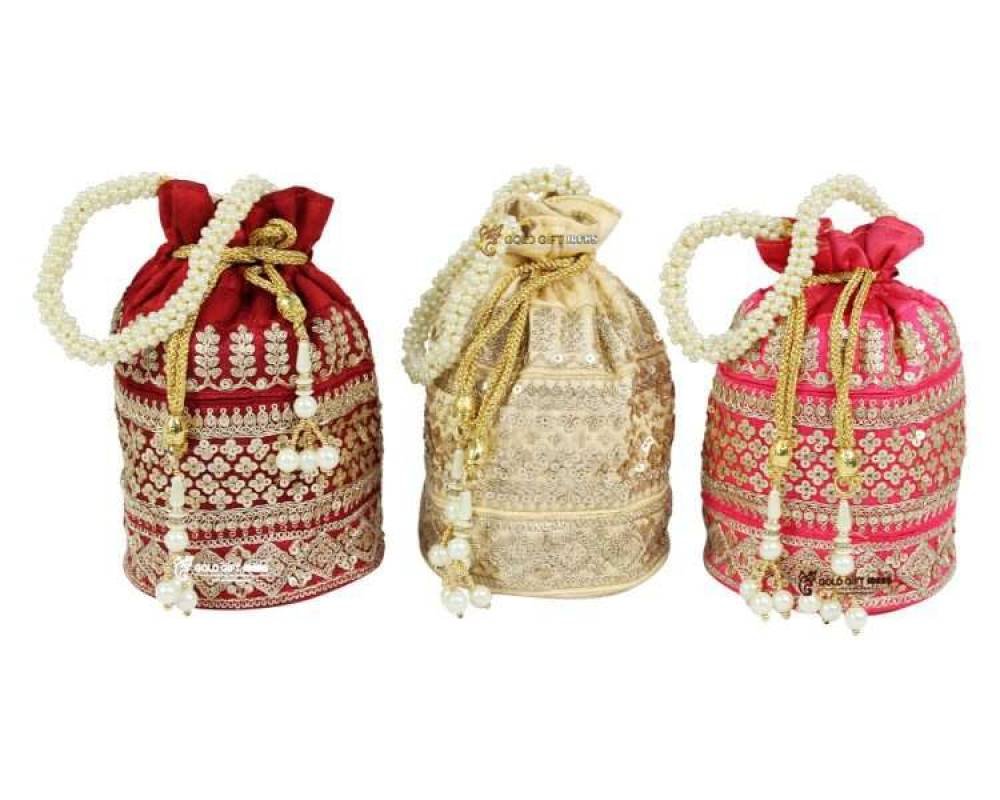

Velvet drawstring potlis have moved from traditional favour tables into mainstream jewellery retail. Soft to touch, rich on camera, and practical for light jewellery and festive gifting, velvet potlis are a trend that keeps refreshing through new colours, embroidery, and pairing ideas. This article covers current directions for Indian jewellers and event buyers—and how to stock velvet potlis without overcomplicating the counter.
See live styles in the potli category at Saurabh Jewel Pack, including navy velvet, designer pinks, and coordinated jewellery potli sets that wholesale buyers reorder for wedding seasons.
Why velvet stays in demand
Velvet signals comfort and occasion in Indian gifting culture. It photographs with depth under store lights, hides minor handling marks better than some satins, and feels substantial in the hand even when the pouch is small. For jewellery, velvet’s soft interior is gentler than rough synthetic linings when packing chains and plated pieces for short-term gifting.
Trend directions jewellers should watch
- Jewel tones: Emerald, ruby, sapphire, and deep navy for bridal and festive counters.
- Soft pastels: Blush, mint, and ivory for daytime weddings and modern trousseau stories.
- Contrast cords: Gold or contrasting drawstrings that frame the pouch on shelves.
- Set storytelling: Matching multi-piece potli sets for return gifts and staff gifting.
- Minimal embroidery: Small motifs instead of heavy all-over work for contemporary brands.
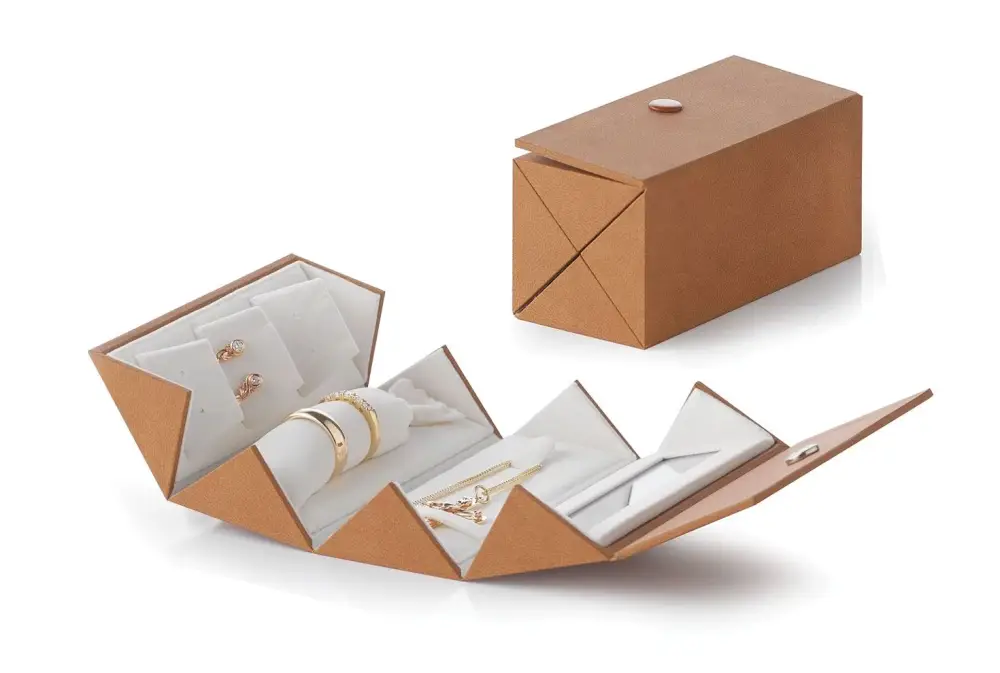
- Layered unboxing: Velvet potli over a compact rigid box for high ASP gifts.
Merchandising velvet potlis in-store
Display potlis at multiple heights near billing and bridal desks. Use a small riser so velvet textures catch light. Keep colour families together rather than scattering. Offer a clear size guide: which potli fits studs, which fits a pendant set, which is gift-only. Train staff to suggest velvet when customers mention weddings, godh bharai, or festive shagun.
Coordinate with jewellery purses for shoppers who need zip security, and with rigid boxes for heavy sets that should not rely on soft packaging alone.
Wholesale buying notes for velvet
Velvet can show crush marks if cartons are over-compressed—inspect on arrival and steam carefully only if the supplier recommends a method. Confirm colour continuity across cartons; dye lots may differ slightly. Ask for piece counts per bundle and whether drawstring tips are metal, plastic, or fabric-finished. For logo branding, tags and stickers are usually safer than aggressive heat methods on pile fabrics.
Pairing velvet with festive and corporate programmes
Velvet potlis elevate coin gifts and small silver tokens in corporate Diwali kits. Combine with items from corporate gifting and outer non-woven bags for bulk distribution days. Keep one “corporate neutral” velvet colour (navy or charcoal) plus brighter wedding colours for retail.
Care advice you can print on a tiny card
Advise customers to store potlis away from prolonged direct sunlight, avoid overfilling, and keep away from sharp settings that could snag pile. Simple care notes reduce complaints and make your brand look thorough.
FAQ: Is velvet suitable for humid cities?
Yes if stored dry. Avoid sealed damp cupboards; rotate stock and use breathable storage in warehouse areas.
FAQ: Velvet vs satin for weddings?
Velvet reads classic and plush; satin reads glossy and glamorous. Many stores stock both and let the décor theme decide.
FAQ: How many velvet colours are enough?
Three to five active colours usually cover bridal, festive, and neutral corporate needs without clutter.
Working with an Agra packaging partner
Agra has long been a practical hub for jewellery packaging supply to retailers and wholesalers across India. When you work with an established manufacturer such as Saurabh Jewel Pack, you gain access to boxes, bags, potlis, display, and corporate gift companions under one relationship. That reduces vendor sprawl, simplifies GST paperwork, and makes colour matching across categories easier during festival planning. Ask for clear sample policies, written specifications for board thickness or fabric type, and a replenishment plan that respects wedding and Diwali calendars. A good partner will also help you avoid over-buying slow SKUs while protecting hero sizes that must never stock out.
Share your store count, approximate annual packaging volume, and photography needs early. Manufacturers can then suggest which items should be custom branded and which can stay as high-quality catalogue SKUs. Keep communication channels open for quality feedback from franchise stores so small defects are corrected before the next bulk run.
Checklist before you place the bulk order
Before you release a purchase order, confirm sizes against real jewellery, approve logo placement on a physical sample, record Pantone or fabric references, and write down carton packing quantities. Align delivery dates with store renovation calendars and marketing campaign launches. Verify that billing details, dispatch addresses, and contact persons are correct for every location. If you sell online, test one courier journey with your standard outer carton. Finally, brief store staff with a one-page packing guide so the customer experience matches the brand standard you paid for.
Retain photographs of approved samples and keep them in a shared drive accessible to purchase and visual merchandising teams. When reordering months later, those references prevent silent drift in colour or logo scale. Build a simple scorecard for each shipment—on-time delivery, defect rate, and packaging neatness—so vendor reviews stay factual rather than anecdotal.
India-market tips for merchandising and training
Indian jewellery retail moves in spikes: Akshaya Tritiya, wedding weekends, regional festivals, and sudden family occasions. Packaging must be ready before the spike, not during it. Train billing and sales staff to select the correct box or bag in seconds, offer potlis as add-ons, and explain care of the packaging briefly when customers ask. Display a small packaging story on a counter card if your brand emphasises craftsmanship or sustainability. Encourage teams to photograph neat bill-desk packing during quiet hours so new joiners learn by example.
For multi-city groups, standardise SKU codes nationally even if local language signage differs. Send a short monthly note on which packaging to prioritise for the next festival. Small operational habits like these protect the investment you make in premium boxes, purses, and gift formats.
As you refine your assortment over successive seasons, keep notes on which packaging SKUs customers compliment, which formats reduce damage claims, and which colours sell through as add-ons. Those field insights are more valuable than catalogue guesses. Revisit your mix twice a year with your packaging partner, retire weak performers, and double down on proven sizes and finishes. Consistent improvement compounds—just like a well-loved jewellery brand.
Jewellers who treat packaging as a strategic line item—not an afterthought—usually see cleaner brand presentation, fewer transit complaints, and stronger giftability at the counter. Whether you are refreshing only one category this quarter or rebuilding the full packaging ladder, start with samples, measure against real jewellery, and schedule production around India’s festival and wedding peaks. For coordinated boxes, bags, potlis, display, and corporate gifts, review the live catalogue on sjewelpack.in and shortlist SKUs with your store and purchase teams before committing annual volume.