
Choosing the right jewellery packaging box is one of the smartest decisions a jeweller, wholesaler, or boutique owner can make in India. Packaging is the first physical touchpoint after a purchase. For bridal necklace sets, daily-wear gold, diamond studs, or silver oxidised collections, the box must protect the piece, reinforce brand value, and feel good to gift or keep for years. This buying guide walks you through size planning, materials, branding, channel fit, and wholesale ordering so you can build a packaging assortment that works across seasons—not just for one festival rush.
Manufacturers such as Saurabh Jewel Pack (SJP) in Agra supply jewellers who need consistent quality at wholesale scale. Whether you stock premium rigid boxes, wrapped luxury formats, or durable plastic options, the criteria below will help you evaluate samples and place confident bulk orders.
Why jewellery packaging boxes matter more than ever
Customers increasingly judge a jewellery brand by presentation. A limp plastic tray or generic pouch can make a fine necklace feel ordinary; a well-made rigid box with soft lining makes the same piece feel premium. Beyond perception, good boxes reduce returns from scratches, tangles, and transit damage—especially when pieces move from manufacturing and wholesale hubs to showrooms in other cities.
Packaging also supports staff efficiency. Clear size coding, sturdy lids, and predictable inserts mean faster billing-counter packing during Akshaya Tritiya or Diwali peaks. When your packaging system is messy, queues grow and the unboxing experience suffers. Investing in a structured box range is therefore both a brand decision and an operations decision.
Define jewellery type, size, and price band first
Start with what you sell most. Ring boxes, earring cards or trays, bangle boxes, chain boxes, and full set boxes each need different footprints and foam or velvet inserts. Measure your largest common SKU (including height with stones or kundan work) and add a small clearance so lids close cleanly without crushing settings or enamel.
- Rings and stud earrings: Compact rigid or plastic boxes; foam slots or pads prevent movement during courier travel.
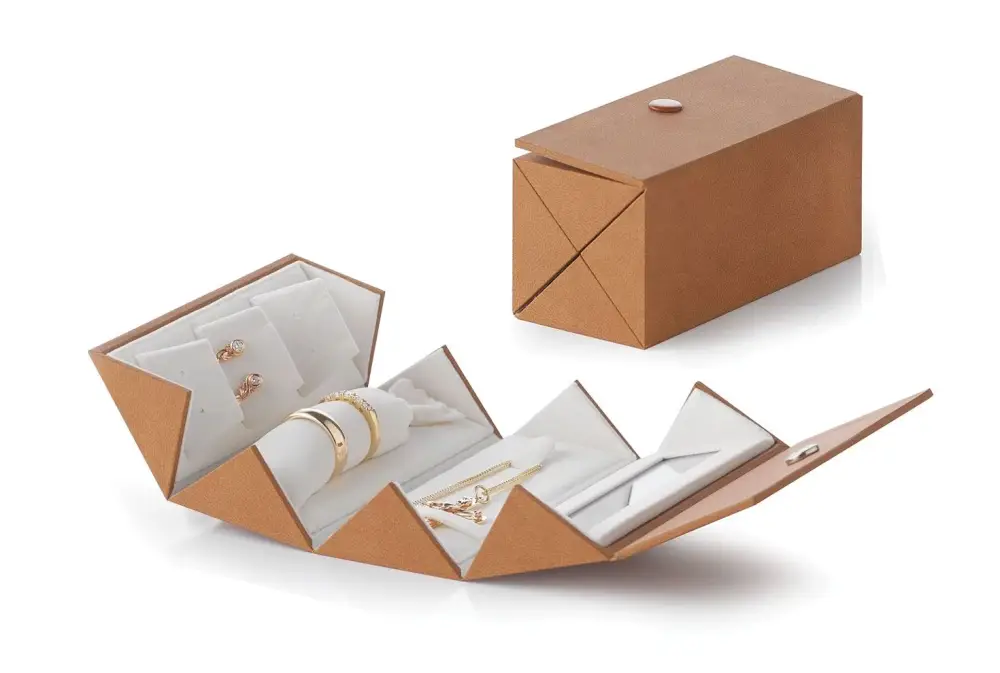
- Chains and pendants: Longer trays or fold-over inserts to avoid kinks and knotting.
- Bangles and kada: Wider, often deeper boxes; consider stack height for pairs and sets.
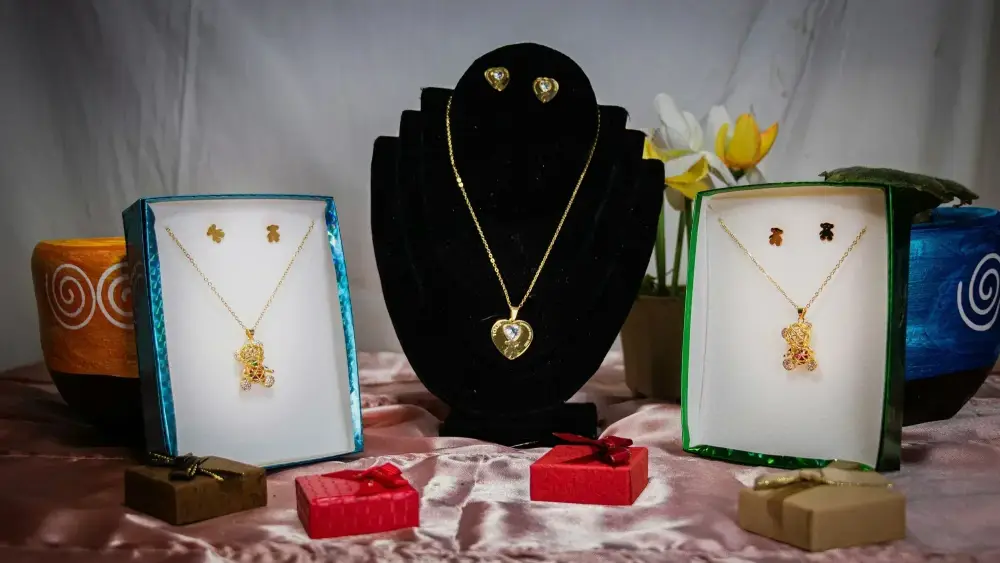
- Bridal and necklace sets: Larger multi-cavity luxury boxes with soft lining and secure partitions.
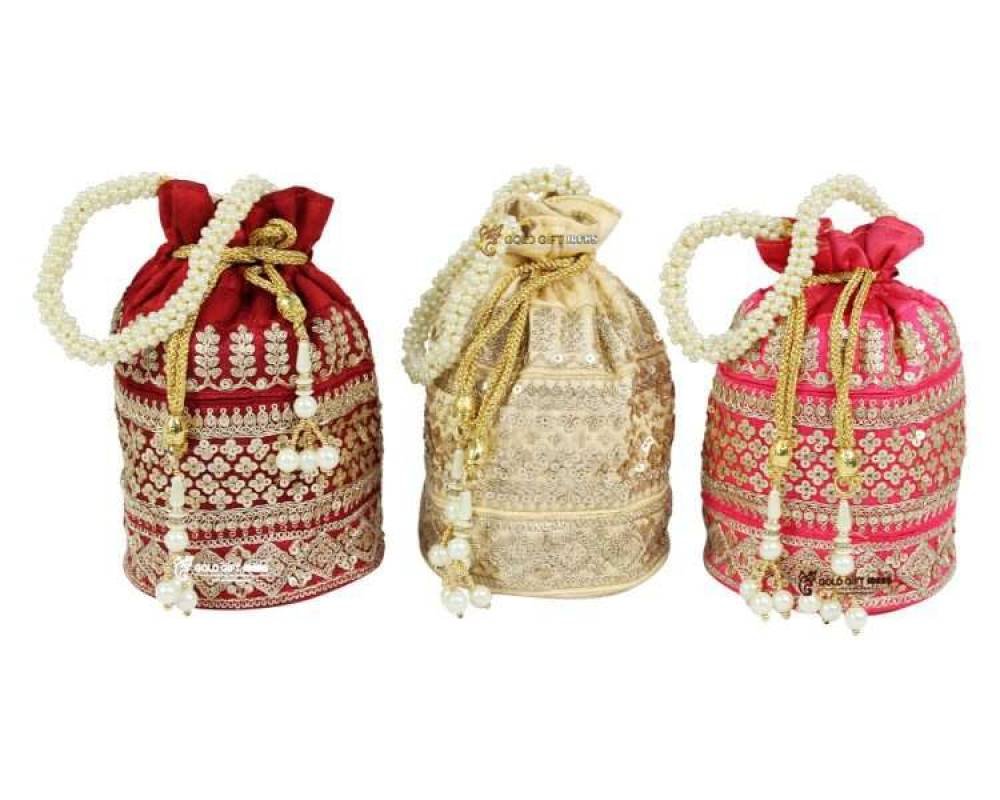
- Coins and small tokens: Slim boxes or card packs; sometimes paired with potlis for festive gifting.
If you also sell silver or fashion jewellery, create separate packaging tiers so premium gold does not share the same visual language as entry-level pieces—unless that is a deliberate brand choice. Map each price band to a packaging tier before you talk to a supplier.
Material and construction checklist
Indian jewellery packaging typically falls into rigid paperboard boxes, plastic boxes, and hybrid luxury finishes such as jute wrap, velvet, textured paper, or foil stamping. When you evaluate samples, check the following in a quiet room with showroom lighting:
- Board thickness and rigidity: Premium rigid boxes should not flex when you press the lid centre.
- Lining quality: Soft flock, velvet, or satin that will not abrade polished gold or plated silver.
- Hinge and closure: Magnetic flaps, ribbon ties, or snug friction lids—test dozens of open/close cycles.
- Finish consistency: Matte, gloss, or fabric wrap; check colour match across pieces from the same carton.
- Print and branding durability: Logo hot stamp, emboss, screen print, or label—rub lightly to test adhesion.
- Insert fit: Jewellery should sit still without forcing the lid; empty cavities should not look sparse.
Compare options in premium luxury boxes and plastic boxes side by side before locking an annual SKU list. Take phone photos of jewellery inside each sample so store managers can vote on look and feel.
Match packaging to channel: showroom, e-commerce, and gifting
A high-ticket bridal set deserves a presentation-grade box; a daily-wear stud can ship in a cost-efficient plastic or smaller rigid unit. For online orders, add outer cartons and cushioning so the presentation box arrives undented. For showroom handovers, focus on unboxing—lid lift, colour story, and insert layout that photographs well for customer selfies and your social media.
Corporate and festive gifting may need co-branded outer sleeves or matching potli bags. Plan colourways for Diwali, Akshaya Tritiya, wedding season, and regional festivals early so stock arrives before peak demand. Many jewellers also keep a small stock of corporate gifting companions—such as clocks or desk items—for B2B clients who want more than a pouch.
Wholesale ordering: samples, MOQ, lead times, and cartons
Always request physical samples before a large indent. Check colour under your actual showroom lights, open/close feel, and how jewellery sits in the insert. Clarify minimum order quantity (MOQ), whether you can mix sizes in one order, branding setup charges, and production lead time—especially before festival peaks when capacity fills up.
Ask for carton packing standards (pieces per inner pack and per master carton) so warehouse receiving and retail allocation stay smooth. Confirm GST-compliant invoicing and pan-India dispatch if you operate multi-city stores. Build a reorder calendar: hero sizes should never hit zero during October–November or major wedding months in your region.
Sustainability notes without compromising protection
Many buyers notice excess plastic and ask for recyclable board, jute, or reusable pouches. Offering a greener outer bag or paper-based rigid box can support brand storytelling without sacrificing protection. Keep a mixed assortment if your customer base spans traditional and eco-conscious segments. Train staff to explain material choices briefly—customers appreciate honesty more than buzzwords.
Practical buying steps you can follow this month
- List top SKUs by size and price band, with approximate annual volumes.
- Shortlist two to three box styles per band (rigid, luxury wrap, plastic).
- Order samples; place real jewellery inside; photograph for team review.
- Finalise branding (logo position, colour match, insert mark if any).
- Confirm MOQ, delivery calendar, safety stock, and carton labelling.
- Pilot in one or two stores, then scale the winning assortment.
FAQ: How many box sizes should a mid-size jeweller stock?
Most mid-size jewellers do well with four to six core sizes covering rings, earrings, chains, bangles, and one large set box. Add a seasonal special only when volume justifies a separate SKU and storage space.
FAQ: Should every piece get a branded box?
Branded packaging for mid and high value pieces builds recall. For very low average selling price items, a quality lightly branded or clean unbranded option may be enough—reinvest branding budget where it influences the next purchase or referral.
FAQ: Rigid box or plastic box for courier-heavy sales?
Both can travel well if outer packing is correct. Rigid boxes win on premium perception; plastic often wins on moisture resistance and wipe-clean durability. Many brands use both by tier.
Ready to shortlist boxes? Explore SJP’s ranges for rigid, luxury, and plastic formats, and enquire for wholesale samples suited to Agra manufacturing quality with pan-India supply for jewellers who need dependable packaging partners.
Working with an Agra packaging partner
Agra has long been a practical hub for jewellery packaging supply to retailers and wholesalers across India. When you work with an established manufacturer such as Saurabh Jewel Pack, you gain access to boxes, bags, potlis, display, and corporate gift companions under one relationship. That reduces vendor sprawl, simplifies GST paperwork, and makes colour matching across categories easier during festival planning. Ask for clear sample policies, written specifications for board thickness or fabric type, and a replenishment plan that respects wedding and Diwali calendars. A good partner will also help you avoid over-buying slow SKUs while protecting hero sizes that must never stock out.
Share your store count, approximate annual packaging volume, and photography needs early. Manufacturers can then suggest which items should be custom branded and which can stay as high-quality catalogue SKUs. Keep communication channels open for quality feedback from franchise stores so small defects are corrected before the next bulk run.