
Custom logo jewellery boxes are one of the most cost-effective ways to turn a standard purchase into a branded experience. For wholesalers, multi-store jewellers, and private-label brands across India, wholesale custom boxes deliver visual consistency across outlets while signalling craftsmanship before the customer opens the lid. This article explains how to plan artwork, choose finishes, control costs, run quality checks, and maintain a reliable wholesale programme with an Indian packaging manufacturer such as Saurabh Jewel Pack in Agra.
At scale, partners such as Saurabh Jewel Pack help jewellers align logo colour, placement, and insert branding across premium rigid boxes and coordinated pouches so every SKU feels part of one family—whether the sale happens in a flagship store, a franchise counter, or an exhibition stall.
What “custom logo” really includes
Logo application is more than sticking a label on a lid. Depending on volume and substrate, you can choose hot foil stamping, screen printing, embossing, debossing, UV print, digital print on wraps, or woven and printed marks on fabric-covered boxes. Each method behaves differently on paperboard, velvet wrap, jute, leatherette, or plastic lids. A method that looks sharp on hard board may sink into a soft velvet and need a larger, simpler mark.
Think of customisation in layers: outer lid logo, optional side branding, insert branding, tissue or belly band, and matching carry packaging. Not every SKU needs every layer. High ASP bridal lines may get foil plus an embossed insert; volume daily-wear lines may get a single clean stamp or a well-designed sticker programme that still looks intentional. The goal is coherence, not decoration for its own sake.
Why wholesale custom boxes win for growing brands
- Brand recall: Customers keep boxes; your mark stays in the dresser drawer for years and reappears at every family function when jewellery is borrowed.
- Gift readiness: Branded packaging reduces the need for extra gift wrap at the counter and speeds billing during rush hours.
- Multi-city consistency: The same look in metro flagships and smaller town stores builds trust for franchise and multi-outlet groups.
- Perceived value: Custom packaging supports higher average selling prices and fewer awkward discount conversations.
- Wholesale economics: Unit cost drops as order volume and repeat annual runs increase, especially when tooling is amortised.
- Franchise control: Brand guidelines are easier to enforce when packaging is centralised rather than bought locally by each store.
Planning artwork and brand guidelines
Provide vector logo files (AI, EPS, or print-ready PDF) with clear-space rules and approved colour references. For foil stamp, simplify ultra-fine lines—very thin strokes may fill in on soft wraps. For multi-colour print, confirm CMYK or Pantone matches under your store lighting, not only on a laptop screen in the design studio. Decide logo size relative to lid area; oversized logos can look loud on small ring boxes, while tiny logos disappear on large set boxes.
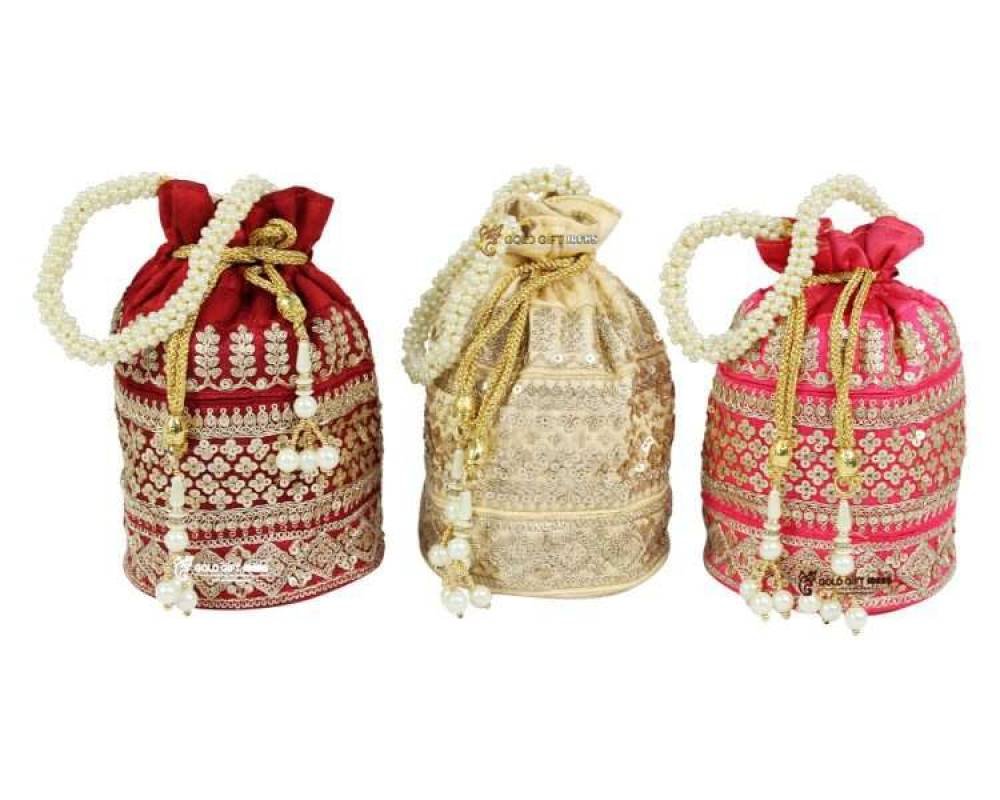
Also consider branding the insert if space allows—a small foil mark or printed tissue adds polish during unboxing videos that customers share on WhatsApp and Instagram. Coordinate with jewellery purses and ladies bags so counter staff can offer a matching handoff set for premium purchases without mixing unrelated patterns.
Choosing the right box tier for logo work
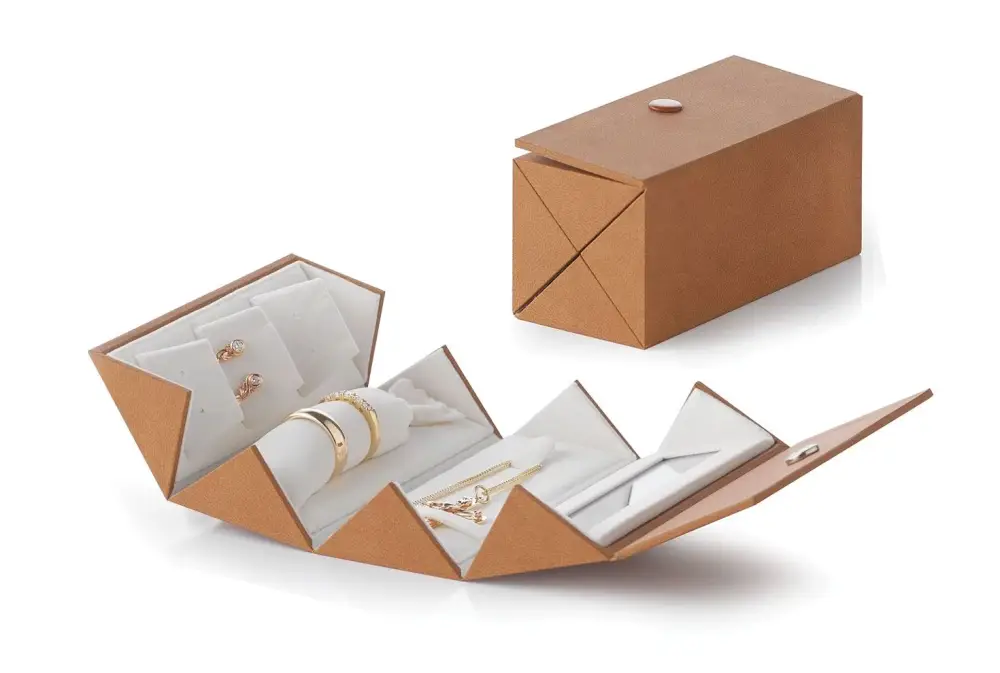
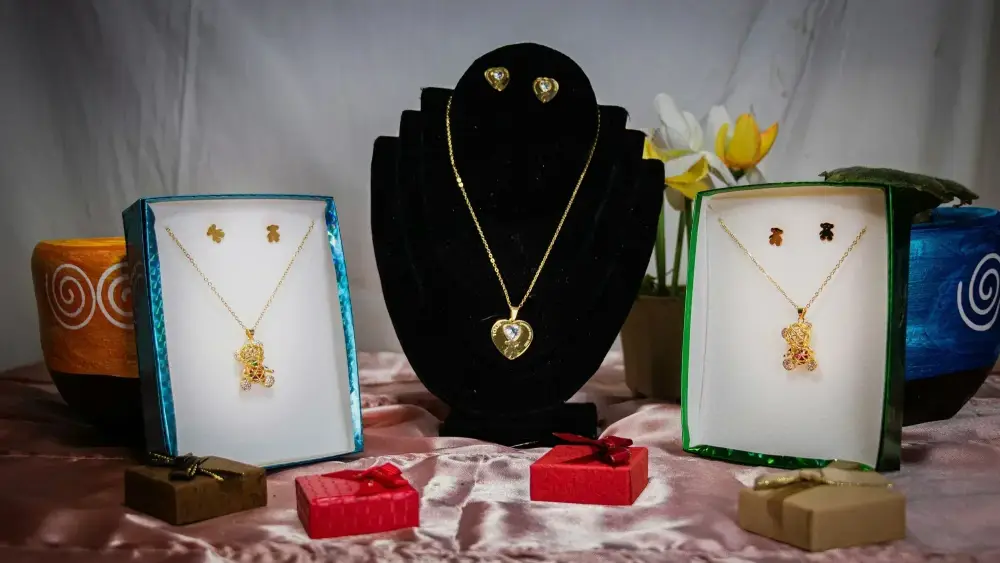
Premium rigid boxes take foil and emboss beautifully and photograph well for social media unboxing. Luxury wrapped boxes (jute, velvet textures, specialty papers) suit bridal and festive lines—see premium luxury boxes. Plastic boxes can carry printed lids or inner cards for volume SKUs where durability and wipe-clean surfaces matter in humid climates or busy counters.
For corporate programmes and bulk festive kits, pair logo boxes with items from corporate gifting so HR teams and B2B clients receive a coherent brand story rather than mismatched pouches and cartons. A unified visual language across retail and corporate channels strengthens recognition.
Wholesale process: from sample to repeat order
- Brief: Sizes, annual volume estimate, logo files, preferred finishes, and primary delivery cities.
- Sample: Physical prototype with logo mock; approve colour, placement, and lid feel in writing.
- Pilot run: Smaller batch to test in one or two stores before the full indent.
- Bulk production: Lock carton packing, outer labelling, and the delivery schedule.
- Replenishment: Forecast festival spikes; keep safety stock of hero sizes and colours.
- Annual review: Retire weak SKUs, refresh one seasonal colourway, keep core logos stable so brand equity compounds.
Document approved samples with photos and written notes so future reorders match year after year—even when purchasing staff change. Store a “golden sample” in the merchandising office and photograph it under store lights for remote approvals.
Cost drivers you should discuss upfront
Setup charges for dies and stamps, number of logo colours, special materials, magnetic closures, custom foam inserts, and rush production all affect landed cost. Ask for transparent quotes that separate tooling (often one-time or amortised) from per-unit production. For multi-size programmes, tooling may be shared across a family of lids if logo artwork is identical at one scale.
Negotiate based on annual commitment rather than a single shipment when possible. Manufacturers can plan capacity and offer better rates for predictable wholesale partners who share a rough festival calendar. Include freight assumptions for pan-India dispatch so finance teams compare landed cost, not only ex-works price.
Common mistakes to avoid
Ordering full volume from a screen mock-up without a physical sample is the most expensive mistake. Other frequent issues include changing logo files after the die is cut, mixing dye lots of wrap material in one store display, and forgetting that e-commerce shipments need outer protection beyond the presentation box. Align marketing, retail operations, and purchase on one SKU list before production starts.
Quality checks for branded wholesale lots
On receipt, spot-check logo alignment, foil coverage, lid fit, lining cleanliness, and colour drift between cartons. Reject crush-damaged masters before they reach the shop floor. Train store teams to report defects with photos within a fixed window so replacements can be arranged quickly. Also check that barcode or SKU stickers—if you use them—do not cover the logo or spoil the lid aesthetic.
FAQ: Can I use one logo die across multiple box sizes?
Often yes if the artwork scale fits each lid. Very small ring boxes may need a reduced logo version. Plan two artwork sizes if your range spans tiny studs boxes and large bridal chests.
FAQ: How early should I order for wedding season?
For custom logo runs, plan samples eight to twelve weeks before peak and allow buffer for courier delays and approval cycles. Festival and wedding calendars in India leave little room for reprint mistakes.
FAQ: Are stickers acceptable for branding?
High-quality labels can work for pilots and lower tiers if they are well designed and consistently placed. For flagship lines, foil or emboss usually communicates permanence more strongly.
Custom logo jewellery boxes at wholesale are an investment in brand equity. Work with an experienced Indian packaging manufacturer, approve samples carefully, and build a repeatable SKU system that scales with your stores and franchise network across the country.