
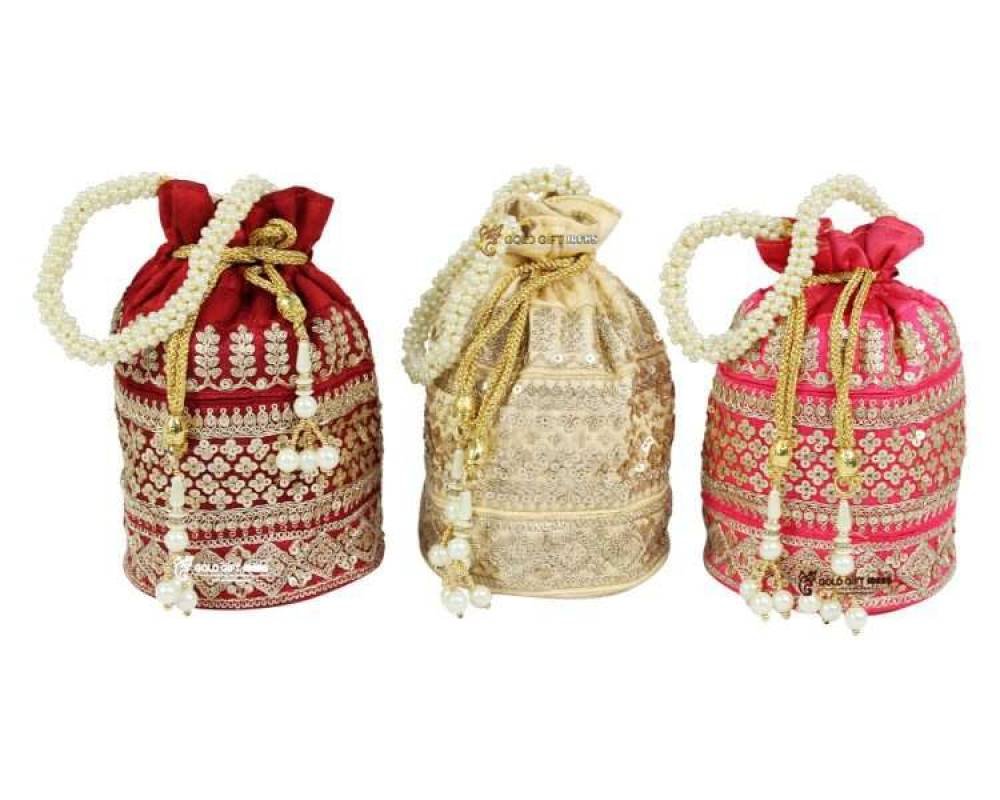
Potli bags remain one of India’s most loved jewellery and gift packaging formats. Soft, festive, and easy to personalise, drawstring potlis work for weddings, festivals, return gifts, and retail counter add-ons. For jewellers, event planners, and corporate gifting teams, stocking the right potli range means faster gifting decisions and a warmer customer experience than a plain poly bag or mismatched pouch from an unrelated category.
Browse curated styles under SJP potli collections, including velvet, satin, brocade, polka, and embroidered finishes popular with wedding and festival buyers. Manufacturers such as Saurabh Jewel Pack in Agra supply these alongside boxes and bags so you can build coordinated assortments rather than buying packaging piece by piece from unrelated vendors.
Why potlis fit Indian celebrations so well
From mehendi and sangeet favours to Diwali shagun and community return gifts, potlis carry cultural familiarity. Guests recognise the silhouette; bridal parties appreciate a soft pouch that doubles as a keepsake. Jewellers use potlis for lightweight jewellery, coins, and small ornaments when a rigid box is unnecessary—or as an outer wrap over a compact box for layered unboxing that feels generous without adding much packing time.
Unlike rigid packaging alone, potlis compress for storage and travel well in bulk cartons. That matters when you are preparing hundreds of identical favours for a wedding weekend or stocking multiple franchise counters before Dhanteras. Soft packaging also reduces breakage claims when cartons are stacked in small storerooms.
Wedding use cases that actually sell
- Return gifts: Matching potli sets for guests with sweets, silver tokens, or mini jewellery charms.
- Bridal party kits: Colour-coordinated pouches for earrings, bracelets, or hair accessories.
- Invitation inserts: Small potlis holding a ring, coin, or token with the invite suite.
- Trousseau packing: Soft pouches for daily-wear pieces inside larger trunks and suitcases.
- Destination weddings: Lightweight potlis that pack easily for outstation events and hotel distributions.
Offer two or three colour stories—maroon-gold, ivory-pastel, and deep jewel tones—so planners can match décor themes without custom dyeing every batch. Keep a physical swatch board at the counter for quick decisions when families arrive with pantone-like expectations from Instagram mood boards.
Festival and retail moments through the year
Akshaya Tritiya, Dhanteras, Diwali, Eid, Onam, Pongal, and regional harvest festivals drive spikes in gold coin and light jewellery sales. Potlis in festive prints—polka dots, traditional brocade, metallic embroidery—photograph well for WhatsApp catalogues and Instagram stories. Pair potlis with non-woven shopping bags for customers carrying multiple purchases from the store on busy evenings.
Retail tip: display potlis near billing as an upsell—“Add a festive potli for a small add-on”—especially during October and November. Staff should know which potli sizes fit which jewellery SKUs so recommendations stay accurate under rush-hour pressure. A small size chart taped inside a drawer saves repeated measuring.
Materials and finishes worth stocking
Velvet drawstring potlis feel premium and suit jewellery. Satin reads glamorous for evening events. Brocade and embroidered styles lean traditional and photograph richly. Textured rustic looks work for destination weddings and craft-led brands. Always check stitch strength at the drawstring channel—weak channels tear when customers overfill the pouch with coins plus sweets plus a card.
For mixed assortments, see velvet and designer options alongside complementary jewellery purses when customers want a zip closure or a more structured alternative for travel and daily handbags.
Sizing, branding, and wholesale planning
Stock small sizes for rings, earrings, and coins; medium for pendant sets; and larger gift potlis for multi-item favours. Custom tags, foil stickers, or printed labels keep branding neat without heavy setup costs. For large weddings, confirm colour lot consistency—order from one production batch when possible so maroon in carton A matches maroon in carton B on the gift table.
Wholesale buyers should request sample sets, confirm piece counts per pack, and schedule delivery before mehendi and festival peaks. Ask about mix-and-match cartons if you need several colours but limited storage. Heavy bridal sets still belong in premium rigid boxes; use potlis as outer packaging or for lighter accompanying gifts. For B2B festive kits, combine potlis with corporate gifting items to create ready programmes HR teams can approve quickly.
Styling ideas for jewellers’ staff
Train staff to nest a small rigid box inside a potli for high-value pieces, or to use potlis alone for lightweight gifts. Suggest colour pairings with the customer’s outfit or wedding palette. Keep a visible sample board so choices are fast during rush hours. Encourage photography of finished gift tables (with permission) so your marketing team can reuse real wedding imagery next season.
Storage, quality, and after-season discipline
Store potlis away from direct sunlight to reduce fading on saturated colours. Keep dry storage in humid months if fabric is prone to mustiness. Spot-check drawcords and metal tips on arrival. Rotate older festive prints out after the season rather than mixing last year’s shade with a new dye lot on the same shelf. Clearance pricing on last-season potlis can still move stock if positioned as “limited colourways.”
FAQ: Are potlis suitable for heavy gold sets?
Heavy bridal sets usually need rigid support. Use potlis as outer packaging or for lighter accompanying gifts; protect weighty pieces in structured boxes with proper inserts.
FAQ: How many potli designs should a store keep?
Four to six active designs covering velvet classic, festive print, brocade traditional, and one contemporary colourway cover most wedding and festival needs without confusing the counter team.
FAQ: Can potlis be logo branded for wholesale?
Yes—tags, stickers, and some print or foil options work well. For very large programmes, discuss custom fabric colour runs early because dye lead times can be longer than stamp tooling.
Potli bags for weddings and festivals blend tradition with retail practicality. Stock thoughtfully, brand lightly, and time your wholesale orders to India’s celebration calendar so you never scramble for matching colours the week before a big event.
Working with an Agra packaging partner
Agra has long been a practical hub for jewellery packaging supply to retailers and wholesalers across India. When you work with an established manufacturer such as Saurabh Jewel Pack, you gain access to boxes, bags, potlis, display, and corporate gift companions under one relationship. That reduces vendor sprawl, simplifies GST paperwork, and makes colour matching across categories easier during festival planning. Ask for clear sample policies, written specifications for board thickness or fabric type, and a replenishment plan that respects wedding and Diwali calendars. A good partner will also help you avoid over-buying slow SKUs while protecting hero sizes that must never stock out.
Share your store count, approximate annual packaging volume, and photography needs early. Manufacturers can then suggest which items should be custom branded and which can stay as high-quality catalogue SKUs. Keep communication channels open for quality feedback from franchise stores so small defects are corrected before the next bulk run.
Checklist before you place the bulk order
Before you release a purchase order, confirm sizes against real jewellery, approve logo placement on a physical sample, record Pantone or fabric references, and write down carton packing quantities. Align delivery dates with store renovation calendars and marketing campaign launches. Verify that billing details, dispatch addresses, and contact persons are correct for every location. If you sell online, test one courier journey with your standard outer carton. Finally, brief store staff with a one-page packing guide so the customer experience matches the brand standard you paid for.
Retain photographs of approved samples and keep them in a shared drive accessible to purchase and visual merchandising teams. When reordering months later, those references prevent silent drift in colour or logo scale. Build a simple scorecard for each shipment—on-time delivery, defect rate, and packaging neatness—so vendor reviews stay factual rather than anecdotal.