
Sustainable jewellery packaging is no longer a niche request confined to metro boutiques. Customers across India ask about plastic reduction, reusable bags, and materials that feel responsible without making jewellery less protected. For jewellers, sustainability is both an ethics conversation and a brand opportunity—if choices remain practical for Indian climate, courier realities, and festival volumes.
Saurabh Jewel Pack offers material paths that can support greener assortments, from board-based rigid boxes and jute-led looks in luxury packaging to reusable bags, non-woven carriers, and soft potlis that customers keep.
What “sustainable” can realistically mean in jewellery packaging
Perfect packaging does not exist, but better packaging does. Priorities usually include: reducing single-use thin plastics, choosing durable formats customers reuse, improving recyclability where local systems exist, avoiding over-packaging, and designing for longevity so boxes are kept rather than discarded. Honesty beats greenwashing—customers respect clear statements more than vague eco claims.
Material directions worth considering
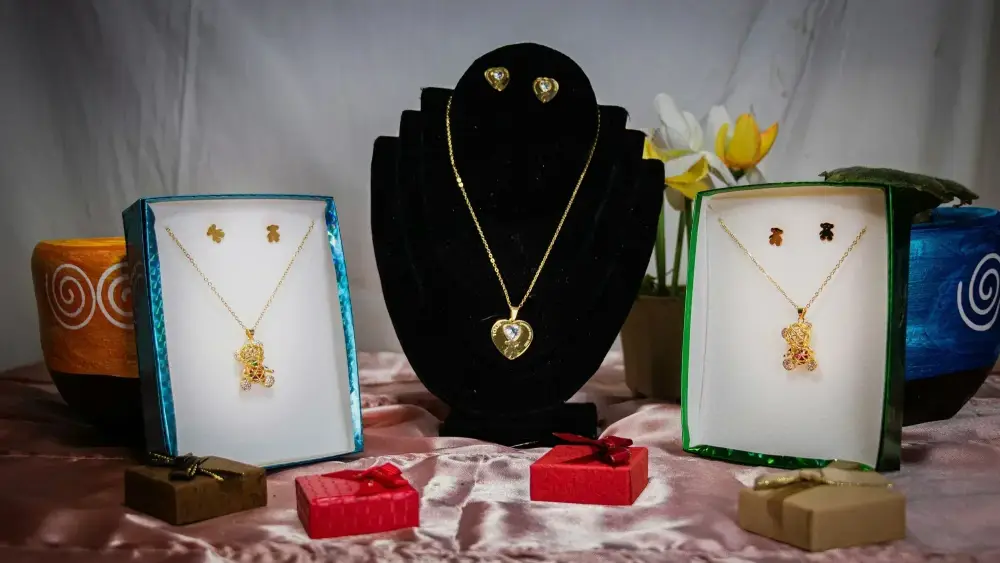
- Paperboard rigid boxes: Strong presentation; communicate recyclability where appropriate.
- Jute and natural-fibre wraps/bags: Renewable feel; great for brand storytelling.
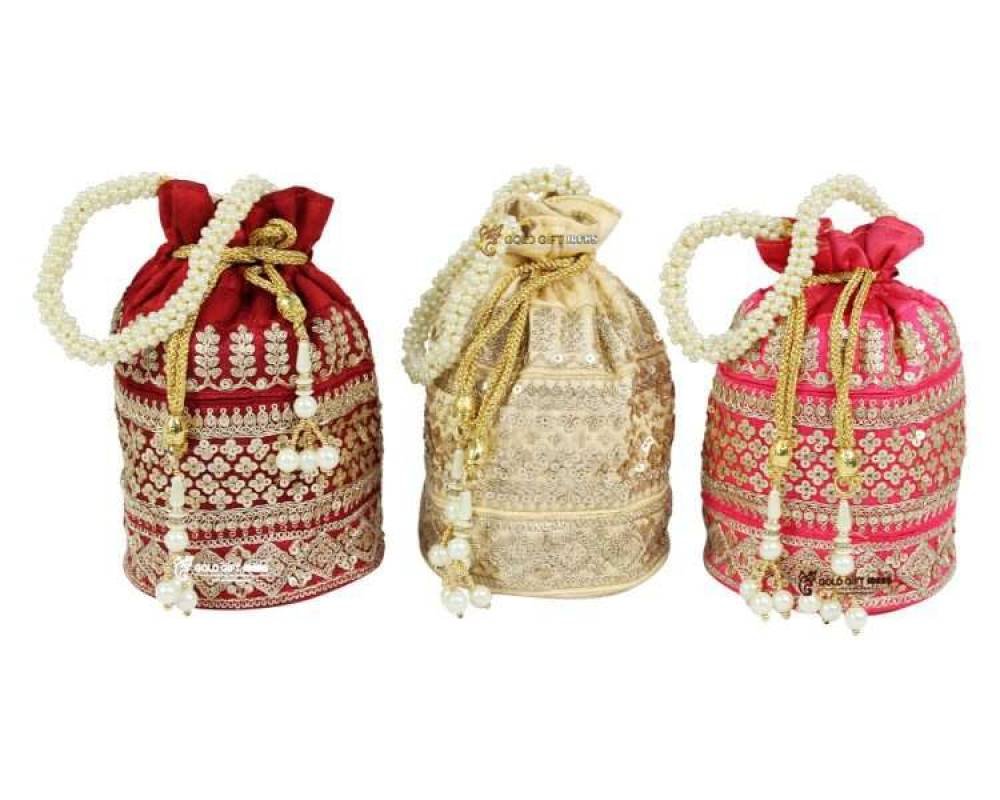
- Reusable potlis and purses: Soft packaging with second life as travel pouches.
- Non-woven reusable carriers: Better than disposable thin plastic for many exit scenarios.
- Right-sizing: Smaller accurate boxes reduce material use and freight volume.
Balancing protection and planet
Jewellery scratches easily and must travel safely. Sustainability that increases damage rates is a false saving—remakes and returns have their own footprint. Test inserts, closures, and outer cartons. Sometimes a well-designed plastic utility box for workshop movement plus a paperboard gift box for final sale is more responsible than one poorly performing “eco” pack that fails in transit.
How to talk about sustainability at the counter
Give staff two or three factual lines: why you chose board or jute, how customers can reuse potlis, and how to dispose of or recycle components locally. Avoid absolute claims. Offer a reusable bag upgrade during festivals when plastic bans and customer awareness peak.
Building a phased sustainable assortment
- Eliminate the worst single-use carry bags first.
- Move mid-tier gifts into quality rigid board boxes.
- Introduce jute or reusable totes for premium exits.
- Offer potlis as keepsake packaging for festive SKUs.
- Review damage data before removing any protective plastic utilities.
Corporate buyers and sustainability RFPs
Many companies now ask vendors about packaging in Diwali RFPs. Prepare a one-page note on your materials and reuse angles. Kits combining coins, potlis, and responsible outer bags can win mandates against generic plastic hampers. Align with corporate gifting formats that look premium without excessive layers.
FAQ: Is velvet sustainable?
Velvet’s profile depends on fibre content and longevity. A reused velvet potli can outperform a disposable pack; discuss fibre details with your supplier when customers ask.
FAQ: Will sustainable packaging cost more?
Sometimes unit cost rises, but right-sizing, fewer damages, and brand preference can offset it. Compare landed value, not only piece price.
FAQ: Can plastic ever fit a sustainable strategy?
Durable, reused plastic utilities can play a role in operations. The goal is thoughtful reduction and better design, not slogans.
Working with an Agra packaging partner
Agra has long been a practical hub for jewellery packaging supply to retailers and wholesalers across India. When you work with an established manufacturer such as Saurabh Jewel Pack, you gain access to boxes, bags, potlis, display, and corporate gift companions under one relationship. That reduces vendor sprawl, simplifies GST paperwork, and makes colour matching across categories easier during festival planning. Ask for clear sample policies, written specifications for board thickness or fabric type, and a replenishment plan that respects wedding and Diwali calendars. A good partner will also help you avoid over-buying slow SKUs while protecting hero sizes that must never stock out.
Share your store count, approximate annual packaging volume, and photography needs early. Manufacturers can then suggest which items should be custom branded and which can stay as high-quality catalogue SKUs. Keep communication channels open for quality feedback from franchise stores so small defects are corrected before the next bulk run.
Checklist before you place the bulk order
Before you release a purchase order, confirm sizes against real jewellery, approve logo placement on a physical sample, record Pantone or fabric references, and write down carton packing quantities. Align delivery dates with store renovation calendars and marketing campaign launches. Verify that billing details, dispatch addresses, and contact persons are correct for every location. If you sell online, test one courier journey with your standard outer carton. Finally, brief store staff with a one-page packing guide so the customer experience matches the brand standard you paid for.
Retain photographs of approved samples and keep them in a shared drive accessible to purchase and visual merchandising teams. When reordering months later, those references prevent silent drift in colour or logo scale. Build a simple scorecard for each shipment—on-time delivery, defect rate, and packaging neatness—so vendor reviews stay factual rather than anecdotal.
India-market tips for merchandising and training
Indian jewellery retail moves in spikes: Akshaya Tritiya, wedding weekends, regional festivals, and sudden family occasions. Packaging must be ready before the spike, not during it. Train billing and sales staff to select the correct box or bag in seconds, offer potlis as add-ons, and explain care of the packaging briefly when customers ask. Display a small packaging story on a counter card if your brand emphasises craftsmanship or sustainability. Encourage teams to photograph neat bill-desk packing during quiet hours so new joiners learn by example.
For multi-city groups, standardise SKU codes nationally even if local language signage differs. Send a short monthly note on which packaging to prioritise for the next festival. Small operational habits like these protect the investment you make in premium boxes, purses, and gift formats.
Jewellers who treat packaging as a strategic line item—not an afterthought—usually see cleaner brand presentation, fewer transit complaints, and stronger giftability at the counter. Whether you are refreshing only one category this quarter or rebuilding the full packaging ladder, start with samples, measure against real jewellery, and schedule production around India’s festival and wedding peaks. For coordinated boxes, bags, potlis, display, and corporate gifts, review the live catalogue on sjewelpack.in and shortlist SKUs with your store and purchase teams before committing annual volume.
Putting it into practice this quarter
Turn this topic into a short internal project: assign one owner from purchase, one from store operations, and one from visual merchandising. Ask them to shortlist SKUs from the live catalogue on sjewelpack.in, request samples that match your top jewellery sizes, and schedule a one-hour review with real product placed inside each option. Capture decisions in a shared sheet—SKU code, preferred finish, branding notes, MOQ, and target delivery week—so festival planning does not depend on memory. When the pilot succeeds in one or two stores, scale with confidence and keep a golden sample for every approved line.
If you also run corporate or franchise channels, invite those stakeholders to the same review so retail boxes, corporate gifting kits, and soft packaging such as potlis or bags stay visually aligned. Small coordination habits prevent last-minute mismatches that dilute brand trust when customers receive gifts from different parts of your business.