
Jewellers comparing packaging options often ask a simple question: should we buy rigid boxes or plastic jewellery boxes? The honest answer is that both formats have a place in a well-run Indian jewellery business. Rigid boxes excel at premium presentation; plastic boxes excel at durability, clarity, and cost efficiency for certain SKUs. This comparison helps retailers, wholesalers, and brand buyers decide where each format belongs—and how to mix them without confusing customers.
Saurabh Jewel Pack manufactures and supplies both families of products, including premium rigid boxes, premium luxury boxes, and plastic boxes, so you can evaluate them under one quality standard rather than mixing unrelated vendors.
What “rigid” jewellery boxes typically mean
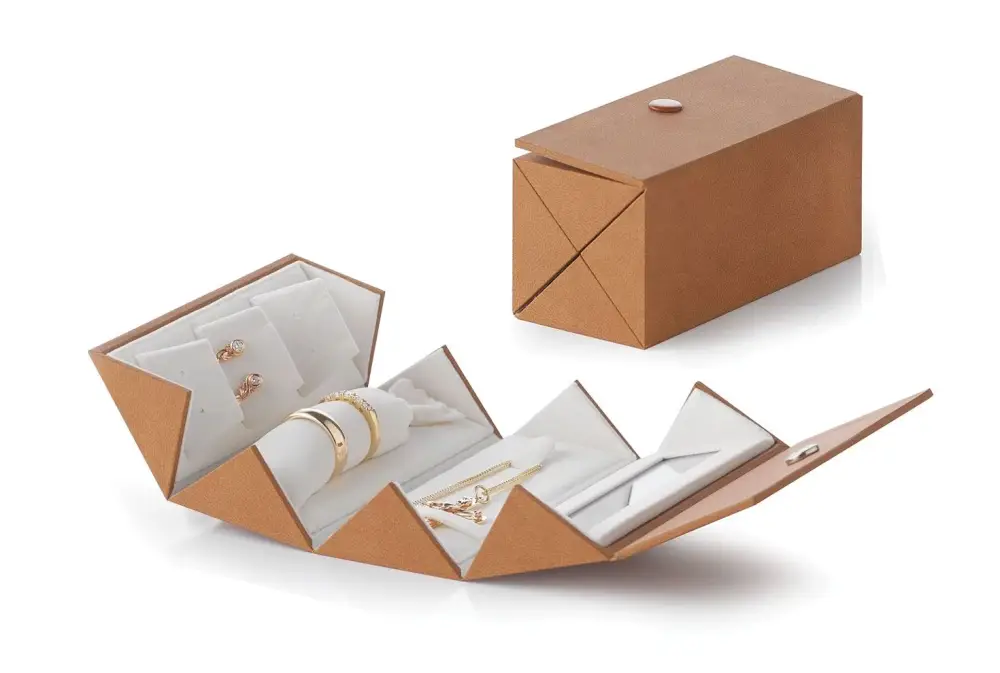
Rigid jewellery boxes are usually built from thick paperboard or chipboard structures wrapped in paper, fabric, jute, velvet, or specialty finishes. Lids may be hinged, magnetic, or lift-off. Interiors often feature flock, foam, or satin that cradles rings, earrings, chains, and sets. The visual language is gift-like: when the lid opens, the customer feels an occasion.
Rigid formats dominate bridal counters, diamond boutiques, and any sale where perceived value matters as much as metal weight. They also photograph beautifully for catalogues and influencer unboxing—useful if your marketing team relies on customer-generated content.
What plastic jewellery boxes typically mean
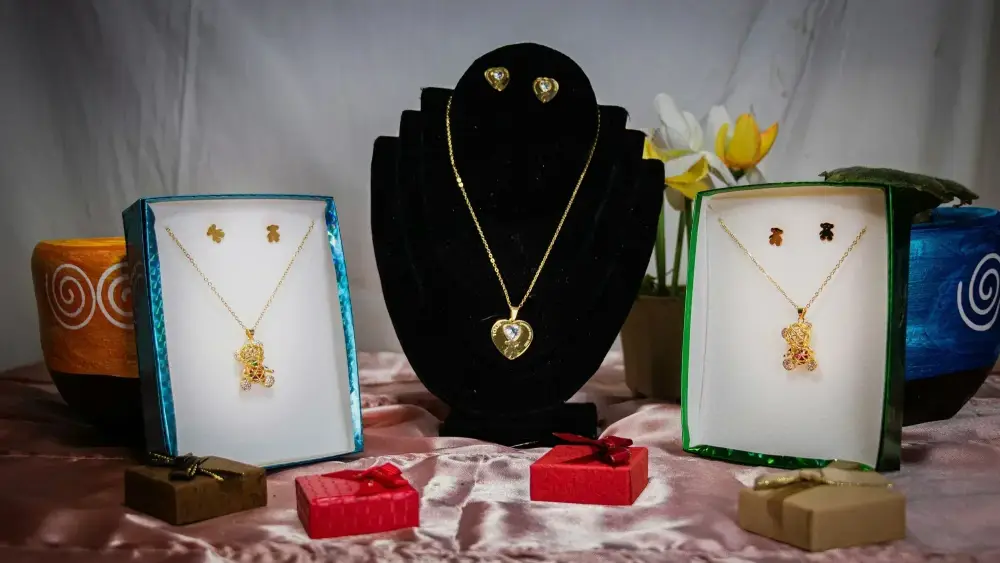
Plastic jewellery boxes include transparent or translucent cases, opaque moulded boxes, and tray-style containers with lids. Many are stackable, wipe-clean, and resistant to minor spills at the counter. Some include moulded compartments; others accept foam inserts. Clarity can be an advantage when staff need to identify contents quickly without opening every unit.
Plastic shines in high-throughput environments: silver jewellery volumes, fashion lines, repair takeaways, and warehouse storage where boxes are opened repeatedly. In humid regions, plastic can also resist moisture better than untreated paper wraps—though presentation grade still depends on design quality, not material alone.
Side-by-side comparison for Indian retail
- Premium perception: Rigid usually wins for gold and diamond bridal. Plastic can look premium with good design but starts from a utilitarian reputation.
- Unit cost: Plastic often costs less at volume for small formats; luxury rigid wraps cost more but support higher ASP storytelling.
- Durability: Plastic resists scuffs and moisture well; rigid resists crushing when board quality is high but can dent if outer cartons are weak.
- Branding: Foil and emboss love rigid lids; plastic accepts printing, labels, and insert cards effectively.
- Storage density: Plastic trays often nest or stack efficiently; rigid set boxes need more shelf cube.
- Customer keep rate: Beautiful rigid boxes are kept as heirlooms of the purchase; plastic may be discarded sooner unless designed as a reusable case.
When to choose rigid boxes
Choose rigid when the sale includes emotional weight—engagement rings, bridal sets, anniversary diamonds, or high-karat gold gifts. Choose rigid when your brand promise emphasises craftsmanship and when packaging appears in advertising. Choose rigid for showroom displays where open boxes must look luxurious under spotlights. Explore finishes in the rigid and luxury ranges, and coordinate outer potli wraps when you want a festive second layer.
When to choose plastic boxes
Choose plastic for inventory that turns quickly, for pieces that travel between workshop and counter, and for customers who value seeing the product through a clear lid. Choose plastic when you need wipe-clean packaging after try-ons. Choose plastic for certain export or courier workflows where sealed, tough shells reduce damage claims. Pair plastic inner packs with nicer outer bags from non-woven or carry bag lines so the exit experience still feels considered.
A practical hybrid assortment model
Many successful jewellers run a hybrid model: rigid for mid and premium tiers, plastic for volume and utility, and soft pouches for lightweight add-ons. Map every jewellery SKU to a packaging SKU in a simple spreadsheet—size, material, brand mark, and reorder point. Review the map each season. Hybrid systems fail when staff guess at the counter; they succeed when coding is obvious (colour dots, size codes, or printed SKU on the base).
Testing before you commit annual volume
Order samples of both rigid and plastic in the sizes you use most. Place identical jewellery in each. Ask three staff members and three trusted customers which feels more “on brand.” Ship a few courier tests with your standard outer packing. Inspect after a rough journey. Only then lock the annual wholesale mix. SJP’s pan-India supply model is useful when you want both formats from one relationship rather than juggling multiple factories.
Environmental and customer communication notes
Some customers ask about plastic use. Be ready with a clear answer: when you use plastic, explain durability and reuse; when you use board-based rigid boxes, explain recyclability where locally practical. Offering a reusable pouch or jute option as an add-on can satisfy eco-conscious shoppers without abandoning formats that protect jewellery best.
FAQ: Can plastic boxes look luxury enough for gold?
Yes, if design, insert, and branding are carefully executed—and if the rest of the brand experience (store, staff, jewellery quality) supports the story. Many brands still reserve classic rigid boxes for top ASP items.
FAQ: Do rigid boxes survive monsoon storage?
Quality rigid boxes stored in dry conditions perform well. Avoid damp floors, and use outer cartons with moisture barriers when warehousing near coastal or high-humidity cities.
FAQ: Should repair jobs go in the same packaging as new sales?
Not always. Many stores use plastic or utility pouches for repairs and reserve premium rigid boxes for new purchases to protect brand association.
Rigid versus plastic is not a rivalry—it is a toolkit. Choose by jewellery tier, channel, climate, and brand promise, then buy wholesale from a manufacturer who can keep both quality lines consistent as you grow.
Working with an Agra packaging partner
Agra has long been a practical hub for jewellery packaging supply to retailers and wholesalers across India. When you work with an established manufacturer such as Saurabh Jewel Pack, you gain access to boxes, bags, potlis, display, and corporate gift companions under one relationship. That reduces vendor sprawl, simplifies GST paperwork, and makes colour matching across categories easier during festival planning. Ask for clear sample policies, written specifications for board thickness or fabric type, and a replenishment plan that respects wedding and Diwali calendars. A good partner will also help you avoid over-buying slow SKUs while protecting hero sizes that must never stock out.
Share your store count, approximate annual packaging volume, and photography needs early. Manufacturers can then suggest which items should be custom branded and which can stay as high-quality catalogue SKUs. Keep communication channels open for quality feedback from franchise stores so small defects are corrected before the next bulk run.
Checklist before you place the bulk order
Before you release a purchase order, confirm sizes against real jewellery, approve logo placement on a physical sample, record Pantone or fabric references, and write down carton packing quantities. Align delivery dates with store renovation calendars and marketing campaign launches. Verify that billing details, dispatch addresses, and contact persons are correct for every location. If you sell online, test one courier journey with your standard outer carton. Finally, brief store staff with a one-page packing guide so the customer experience matches the brand standard you paid for.
Retain photographs of approved samples and keep them in a shared drive accessible to purchase and visual merchandising teams. When reordering months later, those references prevent silent drift in colour or logo scale. Build a simple scorecard for each shipment—on-time delivery, defect rate, and packaging neatness—so vendor reviews stay factual rather than anecdotal.