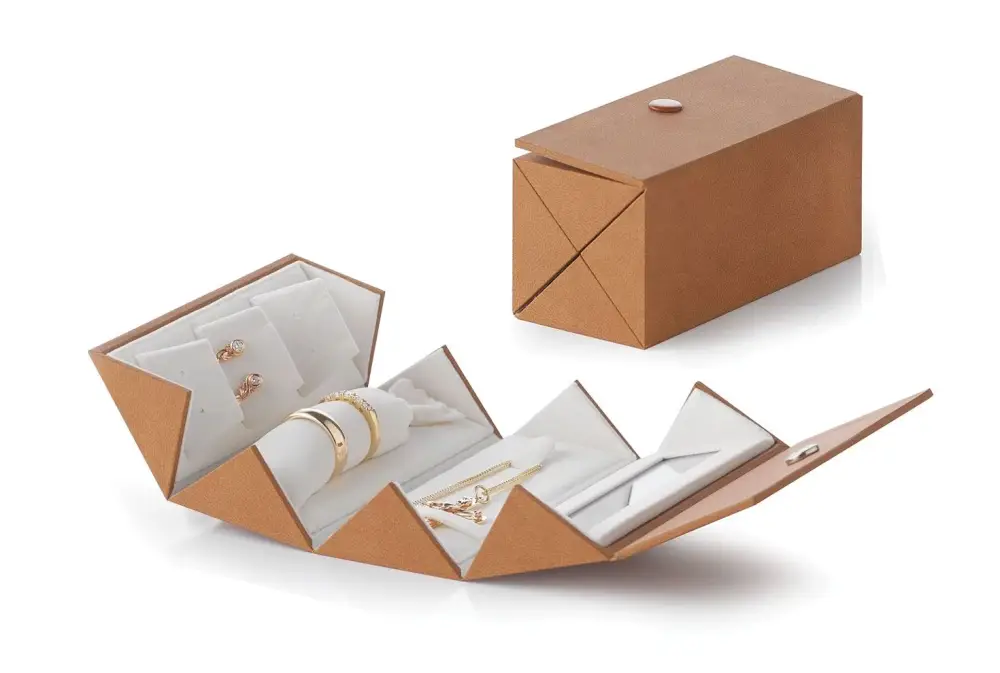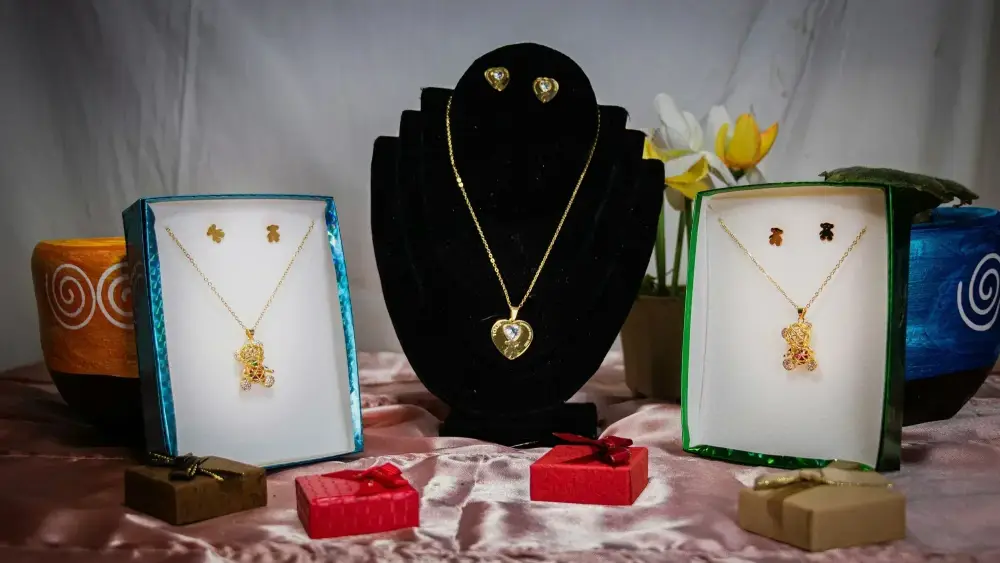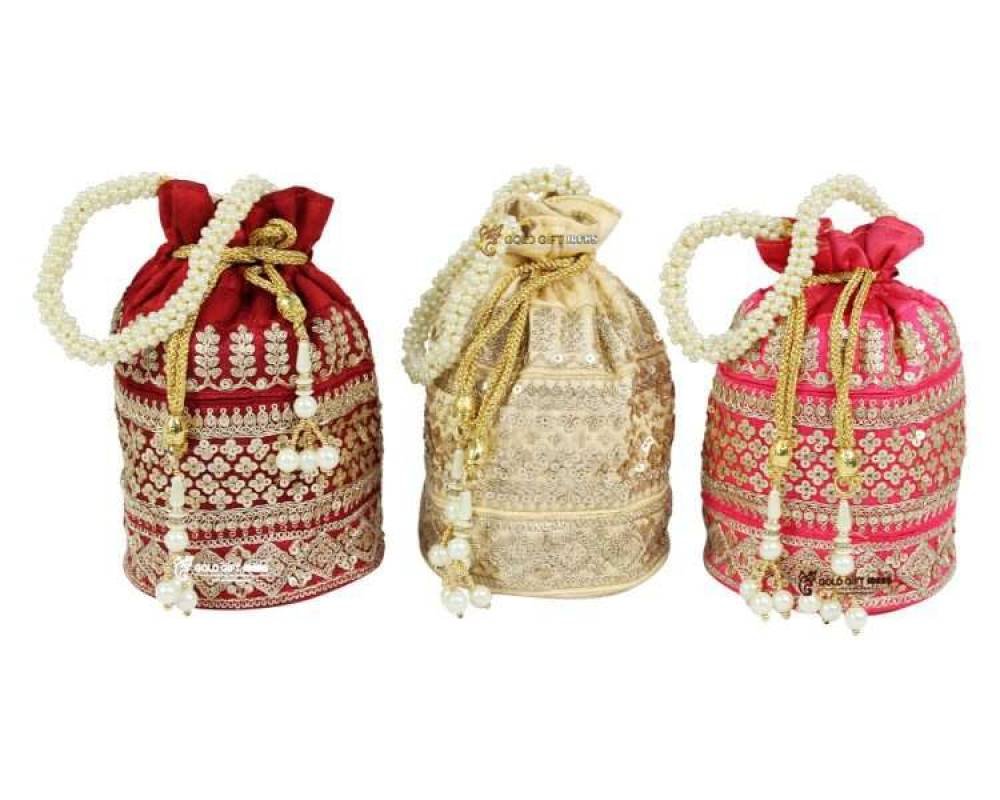

Minimum order quantities (MOQs) and wholesale ordering rules shape how jewellery packaging programmes succeed or stall. Order too little and you pay more per unit or miss festival windows; order too much and storage fills with colours that do not move. This article shares practical MOQ and wholesale ordering tips for Indian jewellers buying boxes, potlis, bags, and gift packaging.
Suppliers such as Saurabh Jewel Pack work with retailers and wholesalers across many states—understanding how to brief them on volume, mix, and timelines will make your packaging purchase as disciplined as your jewellery indent.
Why MOQs exist in packaging
MOQs protect production efficiency: setup time for cutting, wrapping, printing, and quality checks is similar whether you make a few hundred or several thousand units of a custom SKU. Catalogue items may allow lower MOQs than fully custom logo runs. When you understand the reason, you can negotiate smarter—by consolidating sizes, sharing tooling across lids, or committing to annual forecasts instead of tiny monthly surprises.
Map demand before you talk numbers
List stores, average monthly jewellery unit sales by size band, and festival multipliers. Translate jewellery units into packaging units (including spares for damage and display). Separate must-have hero SKUs from experimental colours. This demand map is your negotiation foundation for rigid boxes, potlis, and bags.
Tips to work with MOQs constructively
- Consolidate customisation: One logo die across multiple box sizes where artwork allows.
- Mix within a family: Ask whether colour or size assortments can share a production run.
- Use catalogue SKUs for pilots: Test new formats without custom MOQs first.
- Stagger deliveries: Produce in bulk if needed but ship in waves to ease storage.
- Share annual forecasts: Better rates often follow predictable partners.
- Keep evergreen cores: Limit custom seasonal experiments to a fraction of budget.
Wholesale ordering calendar for India
Work backwards from Akshaya Tritiya, wedding peaks in your region, and Diwali. Add sampling time, approval time, production time, and freight buffer. Custom logo rigid boxes need more runway than reprint of known cards or standard potlis. Corporate programmes may need earlier HR approvals—start those conversations before retail peaks consume factory capacity.
Writing a clear wholesale purchase brief
- SKU list with internal codes and target quantities.
- Artwork files and placement notes.
- Delivery addresses and preferred transporters.
- Quality acceptance criteria (photos of golden samples).
- Payment and GST details.
- Reorder trigger points for hero items.
Attach references to related categories such as jewellery purses and corporate gifting if the programme is multi-category—so the manufacturer sees the full assortment intent.
Receiving, QC, and reorder discipline
On arrival, count cartons, spot-check quality, and update inventory the same day. Do not wait until festival week to discover shortages. Set reorder points that account for production lead time, not only shelf stock. Maintain a simple vendor scorecard.
Cash flow and storage realities
Packaging is easier to overbuy than jewellery because unit prices feel small. Resist that trap. Calculate storage cost and risk of colour obsolescence. Prefer slightly higher unit cost with healthier turns over a “bargain” that occupies your backroom until next year.
FAQ: What if my store is too small for large MOQs?
Start with catalogue SKUs, join group orders if your network allows, or phase custom branding after volumes grow. Many small jewellers build packaging ladders gradually.
FAQ: Can I reorder partial quantities later?
Often yes for standard items; custom runs may require meeting MOQ again. Clarify reorder policy in writing at first purchase.
FAQ: Should franchise stores order independently?
Centralised ordering usually protects brand consistency and pricing; allow local top-ups only for approved catalogue bags or potlis.
Working with an Agra packaging partner
Agra has long been a practical hub for jewellery packaging supply to retailers and wholesalers across India. When you work with an established manufacturer such as Saurabh Jewel Pack, you gain access to boxes, bags, potlis, display, and corporate gift companions under one relationship. That reduces vendor sprawl, simplifies GST paperwork, and makes colour matching across categories easier during festival planning. Ask for clear sample policies, written specifications for board thickness or fabric type, and a replenishment plan that respects wedding and Diwali calendars. A good partner will also help you avoid over-buying slow SKUs while protecting hero sizes that must never stock out.
Share your store count, approximate annual packaging volume, and photography needs early. Manufacturers can then suggest which items should be custom branded and which can stay as high-quality catalogue SKUs. Keep communication channels open for quality feedback from franchise stores so small defects are corrected before the next bulk run.
Checklist before you place the bulk order
Before you release a purchase order, confirm sizes against real jewellery, approve logo placement on a physical sample, record Pantone or fabric references, and write down carton packing quantities. Align delivery dates with store renovation calendars and marketing campaign launches. Verify that billing details, dispatch addresses, and contact persons are correct for every location. If you sell online, test one courier journey with your standard outer carton. Finally, brief store staff with a one-page packing guide so the customer experience matches the brand standard you paid for.
Retain photographs of approved samples and keep them in a shared drive accessible to purchase and visual merchandising teams. When reordering months later, those references prevent silent drift in colour or logo scale. Build a simple scorecard for each shipment—on-time delivery, defect rate, and packaging neatness—so vendor reviews stay factual rather than anecdotal.
India-market tips for merchandising and training
Indian jewellery retail moves in spikes: Akshaya Tritiya, wedding weekends, regional festivals, and sudden family occasions. Packaging must be ready before the spike, not during it. Train billing and sales staff to select the correct box or bag in seconds, offer potlis as add-ons, and explain care of the packaging briefly when customers ask. Display a small packaging story on a counter card if your brand emphasises craftsmanship or sustainability. Encourage teams to photograph neat bill-desk packing during quiet hours so new joiners learn by example.
For multi-city groups, standardise SKU codes nationally even if local language signage differs. Send a short monthly note on which packaging to prioritise for the next festival. Small operational habits like these protect the investment you make in premium boxes, purses, and gift formats.
Jewellers who treat packaging as a strategic line item—not an afterthought—usually see cleaner brand presentation, fewer transit complaints, and stronger giftability at the counter. Whether you are refreshing only one category this quarter or rebuilding the full packaging ladder, start with samples, measure against real jewellery, and schedule production around India’s festival and wedding peaks. For coordinated boxes, bags, potlis, display, and corporate gifts, review the live catalogue on sjewelpack.in and shortlist SKUs with your store and purchase teams before committing annual volume.