
Jewellery box materials shape durability, look, cost, and how customers feel when they lift the lid. Indian jewellers choosing between paperboard rigid structures, fabric wraps, plastic shells, flocked interiors, jute covers, and specialty finishes need a clear comparison—not marketing adjectives. This materials guide helps purchase and visual merchandising teams brief suppliers with precision.
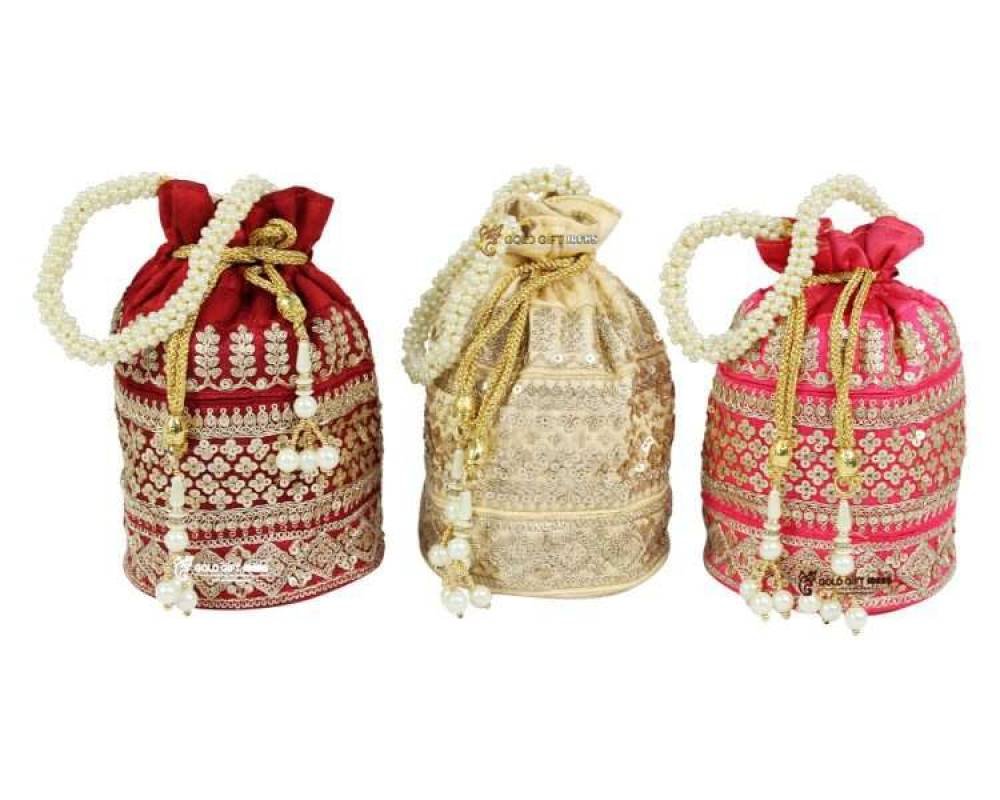
Compare finished goods across premium rigid boxes, premium luxury boxes, and plastic boxes from Saurabh Jewel Pack, then align soft outer packaging from potlis and purses.
Core structure materials
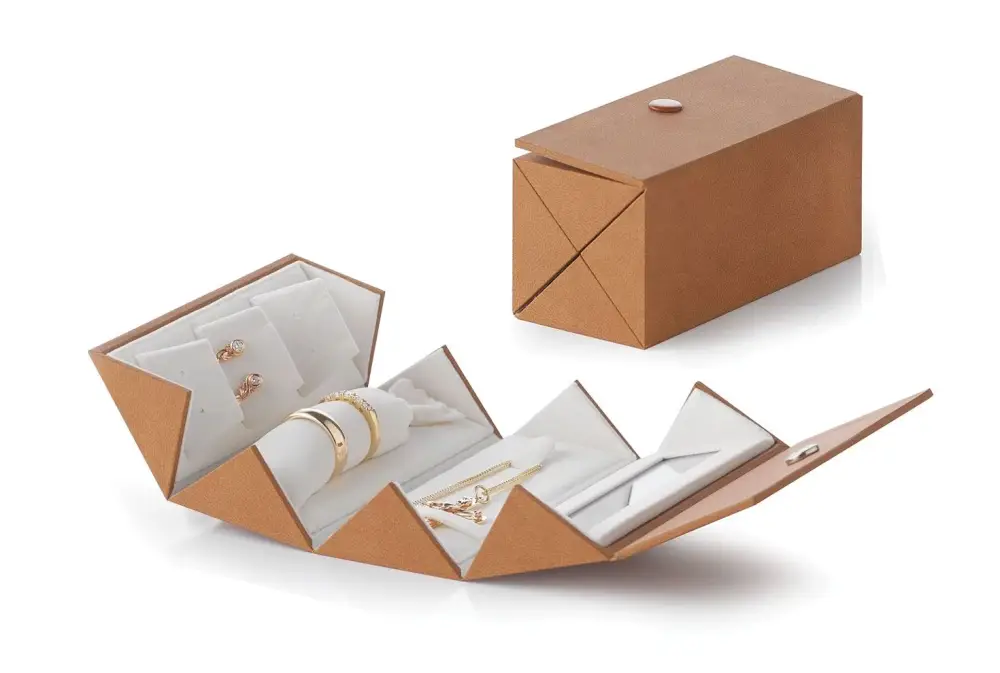
Paperboard / chipboard rigid cores provide the classic jewellery box architecture. Higher density boards resist flexing and protect corners when outer cartons are decent. Wrapped correctly, they accept foil, emboss, and paper finishes beautifully.
Plastic structures offer moulded consistency, often better moisture wipe-down, and useful transparency. They suit volume SKUs, storage systems, and some travel cases. Design quality varies widely—evaluate closure snaps and hinge fatigue.
Exterior finishes compared
- Art paper wraps (matte/gloss): Clean, printable, cost-effective for branded programmes.
- Textured specialty papers: Higher tactile interest for mid-premium lines.
- Velvet and soft fabric wraps: Luxury hand-feel; watch crush and colour lot control.
- Jute and natural fibre looks: Eco-leaning aesthetic; pair well with heritage brands.
- Leatherette: Durable styled look for gifting and men’s accessory crossovers.
Interior materials that protect jewellery
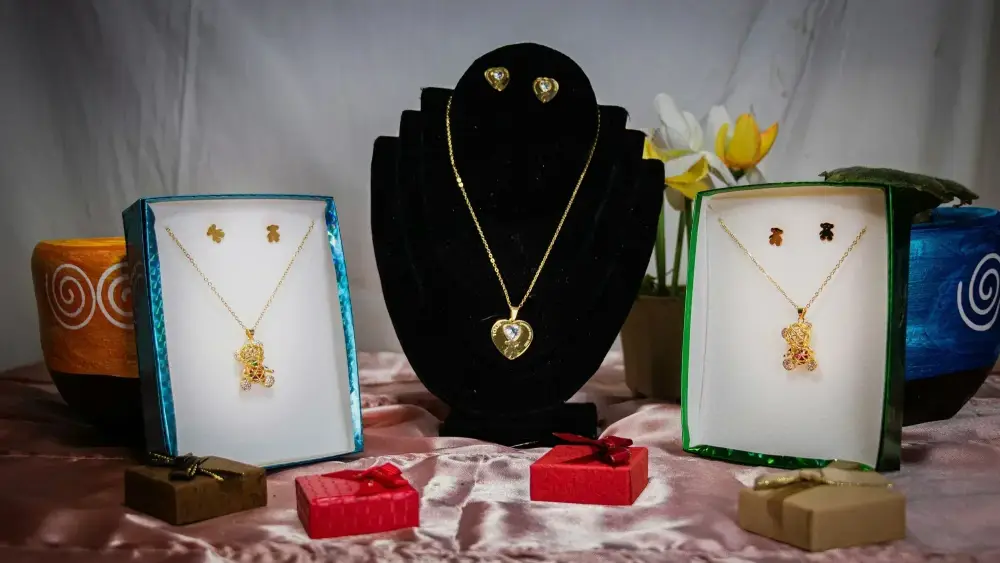
Flock, foam, satin, and velvet pads prevent micro-scratches and movement. Insert design matters as much as fibre: a beautiful lining with a loose cavity still allows damage. Test with rings that have tall settings, hoops that snag, and chains that tangle. For silver, consider anti-tarnish strips as an optional add-in rather than assuming the box alone prevents tarnish.
Closures and hardware
Magnetic catches feel premium when aligned; poorly placed magnets frustrate customers. Ribbon ties suit bridal aesthetics but slow packing. Friction lids must stay snug after repeated opens. Plastic latches should not become brittle in cold AC showrooms or warp in heat.
How to choose by jewellery category
Bridal gold sets: rigid board + soft luxury wrap + secure insert. Daily-wear studs: compact rigid or plastic with efficient branding. Coins: cards plus optional mini rigid or potli. Fashion jewellery: durable plastic or lighter board depending on ASP. Workshop transfers: plastic utilities that wipe clean.
Climate and logistics considerations
Humidity, monsoon storage, and courier stacking should influence material choice. Board needs dry warehousing; fabric wraps need crush protection; plastic needs scratch management if glossy. Always evaluate the full system including master cartons—not only the presentation box.
FAQ: Which material photographs best?
Matte rigid wraps and velvet interiors usually photograph cleanly; heavy gloss can flare under bright lights.
FAQ: Are mixed materials okay in one brand?
Yes—use a coherent colour and logo system so mixed materials still feel intentional across tiers.
FAQ: How do I specify materials to a manufacturer?
Share target board feel, wrap type, insert style, closure type, and golden sample photos. Ask for written specs on approved orders.
Working with an Agra packaging partner
Agra has long been a practical hub for jewellery packaging supply to retailers and wholesalers across India. When you work with an established manufacturer such as Saurabh Jewel Pack, you gain access to boxes, bags, potlis, display, and corporate gift companions under one relationship. That reduces vendor sprawl, simplifies GST paperwork, and makes colour matching across categories easier during festival planning. Ask for clear sample policies, written specifications for board thickness or fabric type, and a replenishment plan that respects wedding and Diwali calendars. A good partner will also help you avoid over-buying slow SKUs while protecting hero sizes that must never stock out.
Share your store count, approximate annual packaging volume, and photography needs early. Manufacturers can then suggest which items should be custom branded and which can stay as high-quality catalogue SKUs. Keep communication channels open for quality feedback from franchise stores so small defects are corrected before the next bulk run.
Checklist before you place the bulk order
Before you release a purchase order, confirm sizes against real jewellery, approve logo placement on a physical sample, record Pantone or fabric references, and write down carton packing quantities. Align delivery dates with store renovation calendars and marketing campaign launches. Verify that billing details, dispatch addresses, and contact persons are correct for every location. If you sell online, test one courier journey with your standard outer carton. Finally, brief store staff with a one-page packing guide so the customer experience matches the brand standard you paid for.
Retain photographs of approved samples and keep them in a shared drive accessible to purchase and visual merchandising teams. When reordering months later, those references prevent silent drift in colour or logo scale. Build a simple scorecard for each shipment—on-time delivery, defect rate, and packaging neatness—so vendor reviews stay factual rather than anecdotal.
India-market tips for merchandising and training
Indian jewellery retail moves in spikes: Akshaya Tritiya, wedding weekends, regional festivals, and sudden family occasions. Packaging must be ready before the spike, not during it. Train billing and sales staff to select the correct box or bag in seconds, offer potlis as add-ons, and explain care of the packaging briefly when customers ask. Display a small packaging story on a counter card if your brand emphasises craftsmanship or sustainability. Encourage teams to photograph neat bill-desk packing during quiet hours so new joiners learn by example.
For multi-city groups, standardise SKU codes nationally even if local language signage differs. Send a short monthly note on which packaging to prioritise for the next festival. Small operational habits like these protect the investment you make in premium boxes, purses, and gift formats.
Jewellers who treat packaging as a strategic line item—not an afterthought—usually see cleaner brand presentation, fewer transit complaints, and stronger giftability at the counter. Whether you are refreshing only one category this quarter or rebuilding the full packaging ladder, start with samples, measure against real jewellery, and schedule production around India’s festival and wedding peaks. For coordinated boxes, bags, potlis, display, and corporate gifts, review the live catalogue on sjewelpack.in and shortlist SKUs with your store and purchase teams before committing annual volume.
Putting it into practice this quarter
Turn this topic into a short internal project: assign one owner from purchase, one from store operations, and one from visual merchandising. Ask them to shortlist SKUs from the live catalogue on sjewelpack.in, request samples that match your top jewellery sizes, and schedule a one-hour review with real product placed inside each option. Capture decisions in a shared sheet—SKU code, preferred finish, branding notes, MOQ, and target delivery week—so festival planning does not depend on memory. When the pilot succeeds in one or two stores, scale with confidence and keep a golden sample for every approved line.
If you also run corporate or franchise channels, invite those stakeholders to the same review so retail boxes, corporate gifting kits, and soft packaging such as potlis or bags stay visually aligned. Small coordination habits prevent last-minute mismatches that dilute brand trust when customers receive gifts from different parts of your business.